
Summary
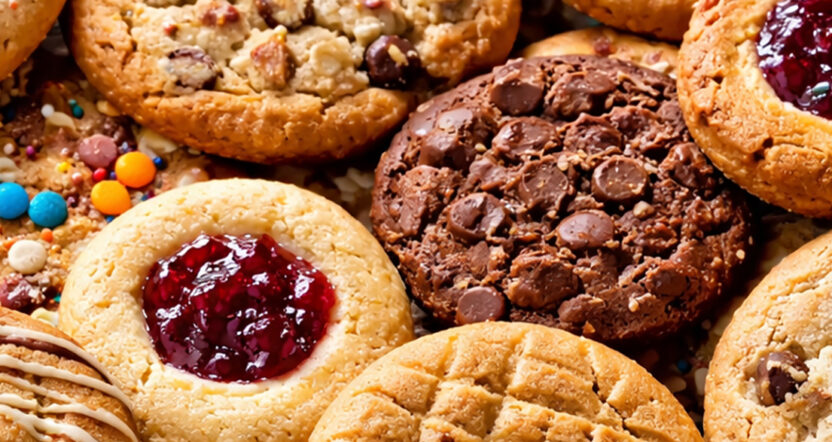
Smart Cookies: Reformulating the Future of School Snacks explores how tightening USDA nutrition standards and rising parent expectations are reshaping the school snack landscape, creating a powerful opportunity for high-protein, low-sugar treats that kids actually love. As added sugar limits drop to under 10% of weekly calories by 2027, formulators are under pressure to deliver cleaner labels, better nutrition, and uncompromised taste. This white paper shows how Icon Foods helps manufacturers meet that challenge with a smart toolbox of stevia, monk fruit, allulose, erythritol, and proprietary protein and fiber stacks that maintain sweetness, texture, and appeal while passing regulatory scrutiny. From lunchbox cookies to better-for-you school snacks, Icon combines food science, supply chain strength, and formulation expertise to help brands innovate with purpose and shape healthier habits for the next generation.
Thom King, CFS, Food Scientist
Chief Innovations Officer, Icon Foods
At Icon Foods, we believe that better-for-you should start young. That’s why we’re leading the charge in sugar reduction for children’s snacks — especially in school settings where nutrition sets the tone for lifelong habits. With our clean-label, kid-friendly sweeteners and sweetness modulators, like stevia, monk fruit, allulose, and erythritol, along with high-function protein, inclusions, and fiber stacks, we help formulators craft snacks that pass both USDA scrutiny and the picky-eater test. From lunchbox-friendly cookies to protein-packed school treats, Icon Foods empowers formulators to innovate with purpose, making every bite smarter, cleaner, and just as sweet (without the sugar).
Excessive sugar intake in children is linked to obesity, dental issues, and metabolic disturbances. School snacks and lunches substantially contribute to this consumption (AAP data: ~17 % of calories from sugar, half from sugary drinks). Reformulating snacks with high-protein and low-sugar profiles, such as better-for-you cookies, offers both nutritional and market potential.
School Lunch Programs & Sugar Reduction Policies
USDA Nutrition Standards
- The Healthy, Hunger‑Free Kids Act (2010) initiated stronger standards for whole grains, fats, sodium—and first-ever explicit limits on added sugar, implemented gradually between Fall 2025 and Fall 2027.
- By 2027, added sugars must fall below 10 % of weekly calories in breakfasts and lunches.
- Sodium reductions (10–15 %) and whole‑grain rules further transform meals.
State & MAHA Initiatives
- Eight states (including Massachusetts) now fund permanent universal free lunch programs; some allocate additional state funds for nutritional quality.
- Federal Local Farm to School Programs and Patrick Leahy Farm to School grants support fresh food sourcing, reducing processed material use.
- The MAHA (Mid‑Atlantic Healthy • Amber policy) includes federal funding for scratch cooking, local sourcing, and caps on ultra‑processed foods.
High‑Protein, Low‑Sugar Better‑for‑You Cookies: Market Potential
Nutrition & Demand
- Cookies using fiber, protein blends (e.g., soy, whey, pea) and reduced added sugars can appeal to parents seeking healthier snacks.
- With USDA limits on added sugars, demand is increasing for compliant snack products that still delight children palates.
Market Potential
- Reformulated cookies can align with school procurement standards (≤10 % added sugar).
- Partnerships between schools and snack manufacturers may be incentivized by federal reimbursements for healthier snack options under wellness policies.
Sweetener Types & Perceptions
Stevia, Monk Fruit, Allulose, and Erythritol
| Sweetener | Benefits & Tolerance | Concerns & Perception |
|---|---|---|
| Stevia, Monk Fruit | Natural, zero-calorie sweeteners; FDA-GRAS approved, moderate acceptance. | Bitterness/botanical taste noted; mixed consumer acceptance in yogurts/chocolate milks. |
| Allulose | ~70% sweetness of sugar, minimal calories, no sugar label required; well tolerated by children in acute studies. | Overconsumption may cause GI upset; long-term preference effects less studied. |
| Erythritol | Sugar alcohol, low-calorie, negligible glycemic impact, good satiety potential. | Overconsumption may cause digestive discomfort. Limited research in children. |
Children’s & Parent Perception
- Parent surveys find clean-label stevia/monk fruit easier to accept, though some sensitivity to aftertaste remains.
- Kids prefer sweetness levels similar to sugar; gradual reduction with blends is more acceptable.
- Formulated products (e.g., chocolate milk) with monk fruit/stevia have shown favorable taste testing.
Role of Food Ingredient Companies & Manufacturers
Ingredient Suppliers Like Icon Foods
- Icon Foods innovates protein blends, clean-label sweeteners (stevia, monk fruit, allulose), and functional fibers for baked goods and snacks.
- Icon Foods works with manufacturers, they develop high-protein, low-sugar formulations that maintain texture and taste.
- Icon Foods ensures compliance with USDA and state added-sugar regulations and source GRAS-certified ingredients.
Food Manufacturerers & Formulators
- Reformulate iconic snacks/cookies to meet limits on added sugar, sodium, and whole grains.
- Conduct sensory panels and pilot programs in schools to test acceptance and gather feedback from kids and parents.
- Leverage state/federal grants (e.g. farm-to-school) to support procurement of healthier snacks sourced from local/regional producers.
Conclusions & Recommendations
- Policy environment (USDA, Healthy Hunger‑Free Kids, MAHA/state funding) supports reduced sugar and processed foods in schools.
- Market opportunity for better-for-you cookies with high protein and low added sugar to fill a regulatory and consumer gap.
- Sweetener strategy: blends of stevia/monk fruit and polyols (e.g., allulose, erythritol) can offer taste and reduced sugar, but clean-off labeling and gradual sweetness reduction are key for acceptance.
- Industry collaboration: Ingredient firms (e.g., Icon Foods) and snack manufacturers need to work with schools to innovate, pilot, and scale healthier cookie/snack options that meet nutritional, sensory, and regulatory criteria.
When it comes to sweetening the deal — without the sugar — formulators don’t need a secret weapon, they need a strategic partner. That’s where Icon Foods comes in. We’ve got the science, the supply chain, and the sweeteners (and fibers!) to help you ace school nutrition standards without sacrificing flavor, function, or fun. Whether you’re crafting a protein-packed cookie or a lunchtime bar that won’t send glycemic indexes soaring, our clean-label solutions like stevia, monk fruit, allulose, erythritol, and our proprietary fiber stacks are ready to play nice with your formulation, and your label claim. So why settle for the same old sugar-laden snacks? Formulate smarter. Formulate cleaner. Formulate with Icon Foods.
Taste the Icon Difference!