
A Step-by-Step Guide to using Allulose and Isomalt to Craft No-Added-Sugar Hard Crack Candy
Summary
Hard crack candy may be an old-school confection, but modern formulators can reinvent it with a no-added-sugar edge by pairing allulose with isomalt. Allulose, a low-calorie saccharide, brings clean sweetness and consumer appeal, while isomalt supplies the crystalline structure and classic “hard crack” snap that allulose can’t achieve on its own. Together, they create a healthier alternative to traditional high-sugar candy without compromising texture, shine, or flavor. The process demands precision — from ingredient prep to temperature control to rapid flavor infusion — but the payoff is a glossy, breakable sheet of candy that satisfies both indulgence seekers and metabolic-minded consumers. This guide walks formulators through each stage, translating confectionery technique into repeatable, scalable practice for brands looking to modernize a nostalgic favorite.
Thom King, CFS, Food Scientist
Chief Innovations Officer, Icon Foods
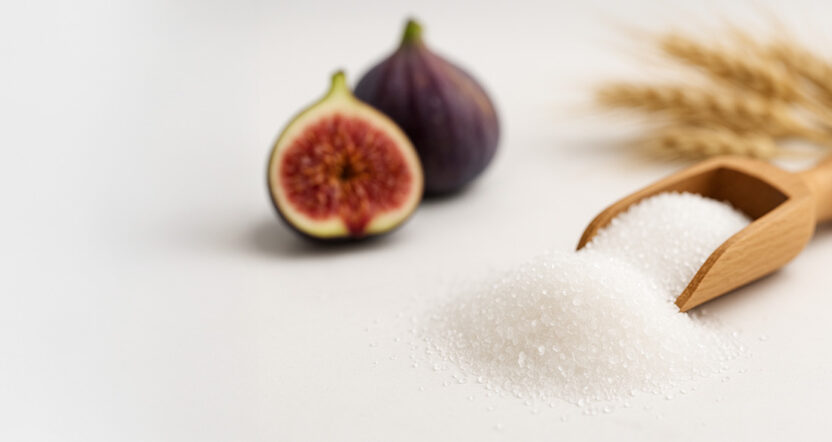
Allulose, sold under the Icon Foods brand KetoseSweet, is a low-calorie sugar substitute that presents a unique opportunity for formulators to target savvy consumers that enjoy a delicious treat without the guilt or deleterious side effects associated with traditional sugary and no-added-sugar candies. But allulose can’t lift this on its own. It needs help from isomalt. A sugar alcohol derived from beet sugar, isomalt is often used in sugar-free candies to give it a hard crack. It has a lower glycemic index than sugar making it low carb, with no-added sugar and it provides a similar texture to traditional sugar.
Let’s explore the various stages involved in making hard crack candy with allulose and isomalt, from preparing the ingredients to achieving the perfect texture and flavor.
Hard crack candy is a beloved confectionery known for its crisp texture, sweet taste and outrageous sugar content. By incorporating sugar alternatives allulose, a low-calorie saccharide, and isomalt, a polyol, into the recipe, formulators can deliver a confection that consumers can enjoy as a healthier version of this classic treat. Below is a comprehensive guide to making hard crack candy with allulose and isomalt, highlighting the importance of precision and technique in achieving the desired results. By following these steps meticulously, formulators can master the art of crafting delectable hard crack candy that will delight consumers’ taste buds.
Stage 1: Preparation
The first stage in making hard crack candy with allulose and isomalt involves gathering and preparing the necessary ingredients. These typically include isomalt, allulose, water, flavorings, acidulants and any additional ingredients such as colorants or extracts. It is essential to have all equipment, including a candy thermometer, a saucepan, a heat-resistant spatula, and a baking sheet lined with parchment paper, ready before starting the cooking process. (See attached formula.)
Stage 2: Cooking the Candy Mixture
Once the ingredients are prepared, the next stage involves cooking the candy mixture to the appropriate temperature. In a saucepan, combine equal parts allulose, isomalt and water over medium heat, stirring gently until the sweeteners dissolve. Use a candy thermometer to monitor the temperature carefully, bringing the mixture to the hard crack stage (approximately 300-310°F or 149-154°C). Avoid stirring the mixture excessively to prevent crystallization and ensure a smooth texture.
Crack point can be affected by the pH. Allulose degrades in high pH environments, the data table below was collected in a 3.8 pH environment.
| Stages | Allulose / Isomalt | Sucrose |
|---|---|---|
| Thread Stage | 85–195°F / 85–90°C | 223–235°F / 106–113°C |
| Soft Ball Stage | 195–215°F / 90–101°C | 235–245°F / 113–118°C |
| Firm Ball Stage | 215–230°F / 90–110°C | 245–250°F / 118–121°C |
| Hard Ball Stage | 230–240°F / 110–116°C | 250–266°F / 121–130°C |
| Soft Crack Stage | 240–250°F / 116–121°C | 270–290°F / 132–144°C |
| Hard Crack Stage | 260–280°F / 127–138°C | 300–310°F / 149–155°C |
| Caramel Stage | 280–295°F / 138–146°C | 320–350°F / 160–177°C |
Stage 3: Flavoring and Pouring
After reaching the desired temperature, remove the candy mixture from the heat and stir in any flavorings or colorants. Working quickly but carefully, pour the hot mixture onto the prepared baking sheet, spreading it evenly to cool and harden. Avoid touching the hot candy with bare hands to prevent burns and use caution when handling the hot mixture.
Stage 4: Cooling and Breaking
Allow the candy to cool completely at room temperature until it hardens into a solid sheet. Once cooled, break the candy into individual pieces using a food grade mallet or by hand. Store the hard crack candy in an airtight container to maintain its freshness and crisp texture.
Making hard crack candy with allulose and isomalt involves several key stages, from preparation to cooking, flavoring, pouring, cooling, and breaking. By following these steps diligently and paying attention to details such as temperature and texture, formulators can create delicious hard crack candy that showcases the unique properties of allulose. Experimenting with different flavors and techniques can further enhance the appeal of this no-added-sugar confection, offering consumers a delightful indulgence without spiking blood sugar or exacerbating metabolic disease.
Since 1999 Icon Foods has been your reliable supply chain partner for sweeteners, fibers, sweetening systems, inclusions and sweetness modulators.
Reach out to your Icon Foods representative for Iconimalt isomalt and KetoseSweet allulose samples, documentation and formulations guidance.