
Both stevia and cane sugar sweeten products sold worldwide. Most desserts and sweet drinks are still built on cane sugar, but stevia keeps gaining ground as clean label moves from a differentiator to an expectation.
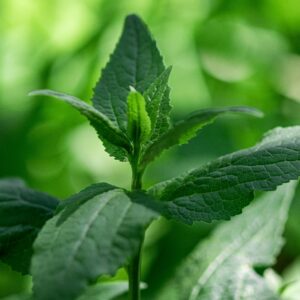
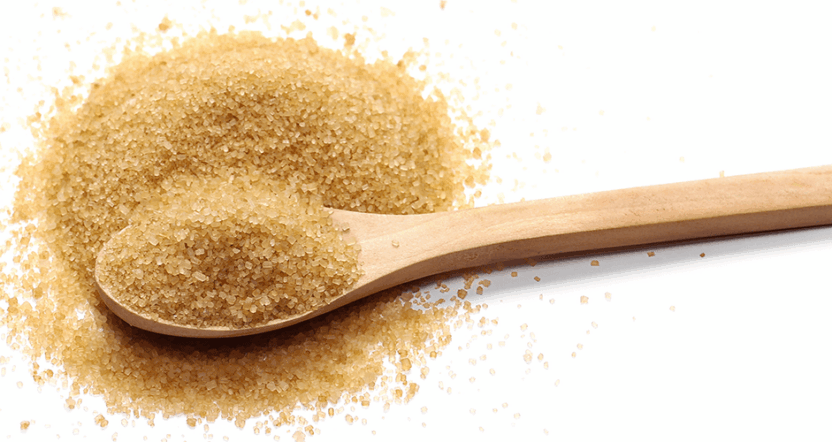
Both come from plants. Cane sugar from sugarcane. Stevia from the leaves of Stevia rebaudiana, native to South America. That shared origin is where the similarity ends, and the differences are what decide which one belongs in your formulation.
Is Stevia Healthier Than Sugar?
On the measures that matter most, yes. Stevia contributes essentially no calories and no carbohydrates, and it does not raise blood glucose. Cane sugar delivers 4 calories per gram, counts fully toward Total and Added Sugars, and produces a glycemic response. For anyone managing blood sugar, calorie intake or added-sugar declarations, stevia is the better option.
The caveat is that healthier is not the same as interchangeable. Sugar does structural work in a formulation that stevia cannot replicate, which is the real subject of this comparison.
Is Stevia Better Than Sugar?
It depends entirely on what sugar was doing in your product.
If sugar was only providing sweetness, stevia is better on nearly every axis: fewer calories, no glycemic impact, a cleaner label, and a fraction of the inclusion weight.
If sugar was also providing bulk, browning, moisture retention, crystallization or shelf stability, stevia replaces none of that. A product reformulated with stevia alone will taste sweet and behave wrong. That is the single most common failure in sugar reduction, and it is not a flaw in stevia.
Stevia vs Cane Sugar: The Comparison
| Stevia | Cane Sugar | |
|---|---|---|
| Source | Stevia rebaudiana leaf | Sugarcane |
| Sweetness | 100 to 300x sucrose | 1x, the reference |
| Calories | Essentially zero at use level | 4 kcal per gram |
| Glycemic response | None | Yes |
| Bulk contribution | None | Full |
| Browning | No | Yes, Maillard and caramelization |
| Moisture retention | None | Yes, hygroscopic |
| Typical inclusion | Fractions of a percent | Percentage points |
| Label declaration | Steviol glycosides or stevia leaf extract | Sugar, Total and Added Sugars |
| Cost per unit sweetness | Competitive at scale | Low per kilogram |
Not All Stevia Tastes the Same
The "stevia has a distinct flavor" reputation was earned in an era when most commercial stevia was low-purity Reb A. That is no longer the constraint it was, and it is the most out-of-date assumption formulators carry into a stevia project.
Stevia sweetness comes from steviol glycosides, and which one dominates determines how it tastes.
Reb A is the value grade. Clean at 97 to 99% purity, with some bitterness at high concentration. It works well in bakery and anywhere a strong base flavor absorbs minor off-notes.
Reb D is smoother with no bitterness and performs best in blends.
Reb M is the one that changed the category. Sugar-like onset, minimal delay, essentially no aftertaste. In blind panel testing, Reb M shows a sweetness profile closely comparable to sugar in water, with only minor differences in sweet aftertaste. It earns its premium in clear beverages, dairy and anywhere nothing hides.
If you tried stevia five years ago and rejected it on flavor, you were probably testing Reb A. See the full stevia grade comparison.
The Volume Problem
At 100 to 300 times the sweetness of sugar, stevia is used at fractions of a percent. Remove a cup of sugar from a formulation and replace it with the equivalent sweetness in stevia, and you have removed almost all of the mass.
That missing volume has to come from somewhere, and what you choose depends on what sugar was doing.
| If you need | Pair stevia with |
|---|---|
| Browning and color | Allulose or tagatose, the only options that brown |
| Bulk and crystallization | Erythritol, maltitol or xylitol |
| Bulk plus a fiber claim | Soluble tapioca fiber or inulin |
| Moisture and shelf life | Glycerin |
| A rounder finish | Thaumatin at parts per million |
This is why most commercial stevia products are blends rather than pure extract. The ratio is the product.
Where Each One Wins
Choose stevia when
The product is a beverage, where there is no structure to rebuild. Added sugars need to come off the panel. A clean-label or plant-derived claim matters. Or the calorie and glycemic targets are non-negotiable.
Choose cane sugar when
Browning is essential and you cannot add a rare sugar. The ingredient statement needs to stay as short as possible. Or the product is positioned as traditional and consumers expect real sugar.
Choose both when
More often than either of the above. A partial reduction with cane sugar carrying structure and stevia carrying the sweetness it no longer supplies is a common and effective route, and it avoids the hard-swap problem where consumers notice the change immediately.
Cost in Use, Not Cost Per Kilogram
Stevia looks expensive per kilogram and rarely is per unit of sweetness. At 200 to 300 times sucrose, a small amount replaces a lot of sugar.
The comparison that matters is the finished formula, including the bulking agent you will need to add. Run that math before deciding, because it frequently reverses the conclusion the raw price sheet suggests.
Getting It Right
Most stevia projects fail for one of three reasons: the wrong grade for the application, no bulking strategy, or a hard swap where a stepped reduction would have worked.
All three are avoidable. Tell us the application, the sugar reduction target and what the current formulation is doing wrong, and our team will develop the system and mill it to your process specification, at no charge. See custom blends and formulation support, or start from high intensity sweeteners.
Both Stevia and Cane Sugar are used to sweeten products all over the world. The vast majority of desserts and sweet drinks are made with cane sugar, but stevia is really gaining popularity as clean labels are becoming more important to consumers.
Both products are used in foods including sweets, processed foods, baked goods, and sodas.
Both sweeteners come from nature. Cane sugar of course, from the Sugar Cane. Stevia is a bit of a mystery; some people even think it is an artificial sweetener. Stevia comes from the leaves of the stevia rebaudiana, a plant found in South America and other tropical areas.
What Is Stevia?
Stevia has been used for hundreds of years but has only been recognized as safe as a food additive in the United States since 2008. Because of the banned status, it held for years, consumers often lump it in with sweeteners like aspartame and saccharin and assume it is unhealthy. The powdered sweetener derived from the stevia plant can be 200-300 times as sweet as sugar but are low in carbohydrates. (find the different varieties here) This is excellent news for people with diabetes, on the keto diet, or even just trying to watch their calorie intake from sweets.
Formulation Differences
Different stevia products will have different degrees of sweetness, which means there is some experimentation involved in formulating with this ingredient. Luckily the experts at Icon Foods can take the guesswork out of this process.
Stevia does have a distinct flavor and works best when paired with stronger ingredients like coffee, chocolate, or lemon. Other than a slightly different flavor, the other main concern with stevia is the volume. Because it is so much sweeter than cane sugar, you usually need something to fill in that empty space in your recipe. In general, for every 1 teaspoon of sugar, just 1/16 of a teaspoon of stevia is needed.
Nutrition
Nutritionally is where sugar and stevia differ the most. Stevia provides zero calories and has a glycemic load of zero. There is one gram of carbohydrates per two teaspoons of stevia. That is why stevia is known as a non-nutritive sweetener.
Now let’s have a look at cane sugar. Two teaspoons of cane sugar contain about 32 calories and 8.4 grams of carbohydrates. When it comes to sticking to a diet or keeping blood sugar at the right levels, stevia is the clear victor.
Final Thoughts
Cane sugar is the dominant force in the sweetener industry. For the most part, the products you find are going to contain cane sugar. From dessert foods all the way to condiments and yogurts that aren’t generally considered unhealthy, you will find this ingredient.
Because consumers are becoming more educated on sugar consumption and the health complications coming with it, sweeteners like stevia are on the rise. Stevia is a way to enjoy that sweet flavor naturally. As everyone becomes hyper-aware of nutritional labels, big players like Coca-Cola have taken notice. You are starting to see stevia-sweetened versions of your favorite products pop up more and more. The big knock on stevia is that it does not taste exactly like sugar, which is true, but with different blends and formulas provided by Icon Foods you can achieve the perfect product without all of the carbohydrates and added sugars.
Samples ship in 24 to 48 hours with full documentation, and we hold no minimum order.