

by Thom King – Founder, Chief Innovation Officer, Food Scientist, Icon Foods
April 1, 2026
Let’s call it what it is. Sugar reduction has spent the last decade stuck in compromise. We’ve all seen it, formulas that hit the numbers on paper but fall apart in the real world. Weak structure. Flat flavor. Chalky textures. Products that technically “work” but never quite earn a second purchase. That era is ending.
Formulators today aren’t just removing sugar. They’re rebuilding what sugar was actually doing, across sweetness, structure, water control, browning, and sensory experience—using better tools and tighter systems. Tagatose is one of those tools.
It doesn’t ask you to give something up. It lets you keep the parts of sugar that matter most… while opening the door to improved metabolic performance and new formulation flexibility. This is where reduced-sugar stops being a workaround and starts becoming an upgrade.
What TagaLite™ Tagatose Actually Brings
Tagatose is a ketohexose, structurally similar to fructose, but functionally much closer to sucrose in real-world applications.
- ~90% as sweet as sugar
- ~1.5 kcal/g
- Low glycemic response
- Sugar-like functionality in processing
- Partial absorption with downstream fermentation
This is where it separates itself. You’re not just replacing sugar. You’re rebuilding the system with intention.
Functional Performance: Where Tagatose Delivers
- Browning and Flavor Development That Feels Familiar
Tagatose is a reducing sugar, which means it actively participates in Maillard reactions.
- Rich, golden color
- Enhanced flavor complexity
- Efficient browning at lower temperatures
This gives you precision. You can hit visual and flavor targets consistently, often with shorter bake cycles.
Best practice:
- Fine-tune bake temperature and time
- Pair with fibers to balance internal moisture and structure
- Bulk, Body, and Texture That Hold Up
Tagatose contributes:
- Solids and bulk
- Smooth, sugar-like mouthfeel
- Structural support in reduced-sugar systems
It fills the gap that high-intensity sweeteners leave behind.
Ideal applications:
- Cookies and baked goods
- Nutritional and protein bars
- Chocolate and coatings
- Dairy systems
- Freeze Control and Creaminess in Frozen Systems
Tagatose contributes to freezing point depression, helping deliver:
- Softer scoopability
- Reduced ice crystallization
- Improved creaminess
This is a meaningful advantage in frozen desserts where texture defines the experience.
Pro tip: Stack TagaLite tagatose with Glycera organic coconut vegetable glycerin for even better creaminess and scoopability,
Best practice:
- Use as part of a system, not in isolation
- Pair with allulose or glycerin for targeted softness
- Anchor with fibers for water control and stability
- Clean Sweetness That Plays Well With Others
Tagatose has a clean, quick-onset sweetness with no lingering off-notes. That makes it an ideal partner for:
- Stevia
- Monk Fruit
- Thaumatin based sweetness modulators
It creates a balanced sweetness curve while allowing high-intensity sweeteners to do their job efficiently.
Typical system:
- Tagatose for bulk and early sweetness
- Reb M or monk fruit for peak sweetness
- Fibers for structure and balance
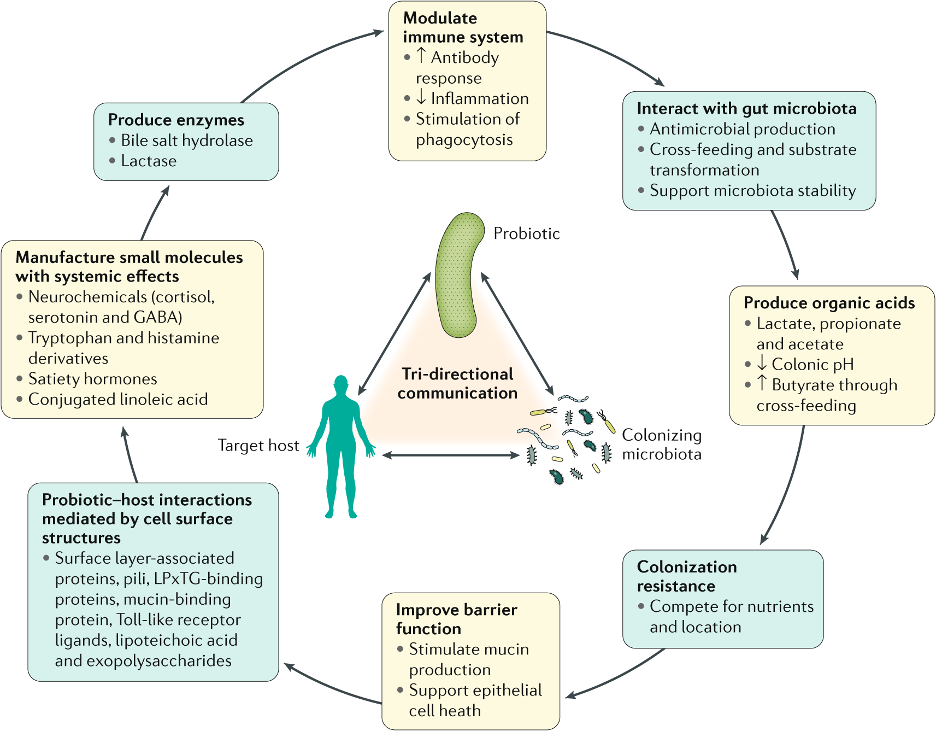
The Prebiotic Advantage
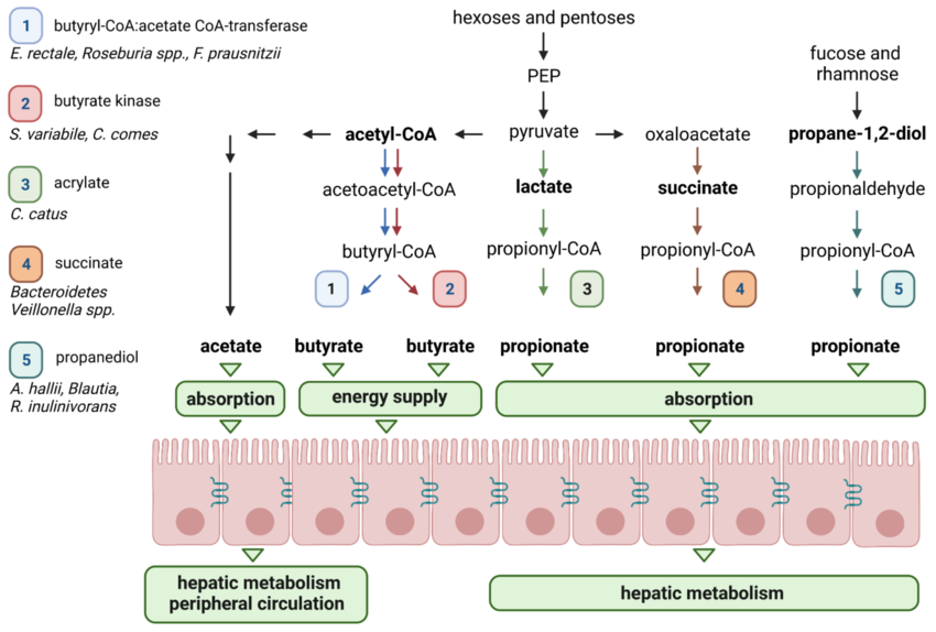
A portion of tagatose reaches the colon, where it is fermented by beneficial bacteria. This supports:
- Production of short-chain fatty acids like butyrate
- A healthier gut environment
- Microbiome diversity
That puts tagatose in a rare position. It contributes to both formulation performance and functional nutrition.
See the infographic below:
Best practice:
- Use within a balanced system
- Pair with fibers like inulin or soluble tapioca
- Optimize inclusion levels for both functionality and tolerance
Where Tagatose Excels
Baked Goods
Cookies, muffins, brownies → Browning, flavor, and structure in one ingredient
Dairy & Frozen
Ice cream, flavored milk, yogurt → Creaminess, softness, and sugar-like mouthfeel
Confectionery
Chocolate, caramels, coatings → Clean sweetness and flavor development
Beverages
RTDs and functional drinks → Smooth sweetness foundation when paired with high intensity sweetner systems
Building a Smarter System
Tagatose performs best as part of an integrated approach:
- Sweetness layer: Tagatose + high-intensity sweeteners
- Structure layer: Fibers (inulin, soluble tapioca, resistant dextrin)
- Water management: Glycerin, allulose, or polyols
- Nutritional layer: Prebiotic synergy
Because sugar was never doing just one job. And now, you have the tools to rebuild all of them, intentionally.
Tagatose gives formulators something rare. The ability to retain the sensory experience of sugar while improving the nutritional and functional profile of the system. It behaves the way you expect. It performs where it matters. And it opens the door to formulation strategies that go beyond simple reduction. This isn’t about replacing sugar. It’s about building something better.
If you want to talk through TagaLite™ tagatose, sweetness modulators, fibers, supply, formulation strategy, or how it fits into your sugar-reduction roadmap, the team at Icon Foods is happy to dive in. We spend our days helping formulators solve exactly these problems. This isn’t the future. It’s already here. And the brands that move early, with the right partner, won’t just participate. They’ll define the category.
Reach out to your Icon Foods representative for TagaLite™ tagatose samples, documentation formulation and usage guidance.
Since 1999 Icon Foods has been your reliable supply chain partner for sweeteners, fibers, sweetening systems, inclusions and sweetness modulators.
Taste the Icon difference.