
by Thom King CFS – Founder, Chief Innovation Officer, Food Scientist, Icon Foods
About eight years ago, I wrote a book called Guy Gone Keto. It became an Amazon bestseller, which was pretty cool considering the basic premise wasn’t particularly complicated, stop eating so much sugar and refined carbohydrate, eat real food, pay attention to metabolic health, and quit pretending a muffin is breakfast just because somebody sprinkled flaxseed on it.
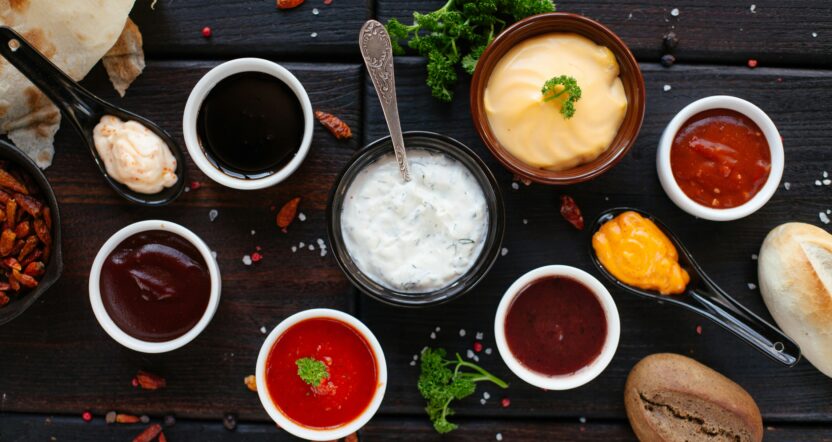
That eventually led me into launching a line of Guy Gone Keto condiments. Ketchup. BBQ sauce. Teriyaki. Steak sauce. The usual suspects. But without the usual sugar load.
At the time, I was looking at the condiment aisle through a ketogenic lens. Today, I think the opportunity is considerably bigger. Keto hasn’t disappeared. Low-carb hasn’t disappeared. Sugar reduction certainly hasn’t disappeared. Now GLP-1 medications have introduced an enormous population of consumers who are thinking differently about food quantity, nutrient density, protein, satiety and unnecessary calories. Different roads with very similar destination. And sitting right in the middle of that intersection is one of the dumbest places we’re still dumping sugar, condiments.
Your Hamburger Doesn’t Need a Candy Bar
Let’s call this what it is. You can formulate a beautiful high-protein hamburger. Good beef. Lettuce. Tomato. Onion. Pickles. Maybe avocado. Maybe a high-fiber keto bun. Then drown the thing in ketchup, BBQ sauce and sweet relish loaded with added sugar. Congratulations. You just put the nutritional equivalent of a little candy hat on your hamburger.
Condiments are interesting because consumers don’t necessarily perceive them as sources of sugar. Dessert is supposed to contain sugar. Soda is obviously sweet. But ketchup? BBQ sauce? Teriyaki? Sweet chili sauce? Honey mustard? Those sugars are hiding in plain sight. And from a formulation perspective, that’s good news!
Because it means we have an enormous opportunity to remove added sugar from foods where sugar isn’t actually the star of the show. The star is flavor. Smoke. Tomato. Vinegar. Mustard. Garlic. Onion. Chile. Umami. Salt. Herbs. Spices. Fermentation. Sweetness supports the orchestra. It doesn’t need to play every instrument.
Sugar Was Doing More Than Making It Sweet
Here’s where formulators need to resist the temptation to simply yank out sucrose and dump in a high-intensity sweetener. Sugar reduction isn’t subtraction. It’s reconstruction. Sucrose, corn syrup and other conventional caloric sweeteners may contribute several functions simultaneously:
- sweetness
- solids
- viscosity
- water activity
- mouthfeel
- flavor balance
- acid suppression
- browning
- gloss
- cling
- freeze/thaw behavior
- microbial stability
Take out 10% sugar and replace it with 0.02% high-intensity sweetener and congratulations, you’ve replaced the sweetness. You’ve also created a 9.98% hole in your formula. That’s where the actual food science starts.
Allulose Changed the Game
One of the ingredients I used heavily in the Guy Gone Keto condiment line was allulose. And BBQ sauce was where it really showed its muscles.
Allulose isn’t merely a sweetness source. It’s a reducing sugar, which means it can participate readily in Maillard chemistry under the appropriate conditions. That matters tremendously when you’re trying to build cooked, roasted, caramelized flavor in something like BBQ sauce.
Recent food-science research continues to demonstrate that allulose can promote Maillard chemistry and accelerated browning compared with sucrose in heated systems. That makes allulose more than a sugar replacement. It becomes a reaction ingredient.
Put an allulose-containing BBQ sauce on ribs, chicken or a burger and heat it, and suddenly the sweetener is participating in flavor development. That’s chemistry earning its paycheck. There’s another enormous formulation advantage.
FDA currently intends to exercise enforcement discretion allowing allulose to be excluded from both Total Sugars and Added Sugars on the Nutrition Facts panel, while allowing manufacturers to calculate its energy contribution at 0.4 kcal/g. Allulose remains included in Total Carbohydrate.
That combination of bulk + sweetness + browning + low caloric contribution + favorable sugar labeling treatment is unusual. But allulose doesn’t need to play alone.
Welcome to the Sweetener Toolbox
Today’s condiment formulator has tools we simply didn’t have at this level of commercial availability twenty years ago.
Allulose
Excellent for bulk, solids, flavor development and browning. Particularly interesting in BBQ, teriyaki, steak sauces and cooked glazes.
Tagatose
Another rare sugar worth watching closely. It provides bulk sweetness and behaves much more like a traditional carbohydrate sweetener than a high-intensity sweetener does.
FDA recognizes allulose and D-tagatose among sugars that are metabolized differently from traditional sugars. Tagatose also brings something formulators desperately need, architecture.
Removing sugar means removing mass. Rare sugars help put physical material back into the formula.
Stevia
Fantastic potency. Terrible carpenter. Stevia can replace sweetness but it can’t replace ten kilograms of sugar solids with 30 grams of stevia extract. Use it for what it does exceptionally well: closing the sweetness gap. Modern Reb M and Reb D systems can provide dramatically better sensory performance than the stevia systems many formulators remember from a decade ago.
Monk Fruit
Another useful sweetness finisher, particularly when paired with rare sugars and complementary sweeteners. Again, think supporting actor rather than entire cast.
Thaumatin
Now things get interesting. Thaumatin shouldn’t simply be viewed through the lens of sweetness. At very low use levels it can become a flavor-modulation tool, helping extend sweetness perception, round flavor edges and potentially reduce the amount of primary high-intensity sweetener necessary. This is where modern sugar reduction gets fun. We’re no longer asking, what replaces sugar? We’re asking, What combination of ingredients replaces everything sugar was doing? That’s a more relevant question.
Then GLP-1 Walked Into the Grocery Store
GLP-1 therapy changes the nutritional conversation because reduced appetite makes every bite more valuable.
A 2026 joint advisory from major nutrition, obesity and lifestyle-medicine organizations specifically emphasizes the importance of adequate protein and nutrient-dense foods for people using GLP-1 therapies, particularly because reduced appetite can make adequate intake more challenging. That’s a key signal for food developers. When consumers are eating less food, there’s even less justification for wasting their nutritional budget on invisible added sugar. That doesn’t mean every GLP-1 consumer is keto. They aren’t. It doesn’t mean carbohydrates suddenly became evil. They didn’t. It means the design brief is changing, make smaller amounts of food more nutritionally useful and more satisfying.
Condiments are beautifully positioned for that world because their job is to make nutrient-dense food taste better. Chicken becomes exciting. Vegetables become craveable. Eggs get interesting. Lean beef gets better. Greek yogurt and cottage cheese become a dip. A boring protein bowl gets rescued from culinary purgatory. The condiment becomes a compliance tool. Whoop whoop, now we’re cooking.

Six Condiments I’d Put on the Bench Tomorrow
These are starting formulations, not finished commercial specifications. Acidification, pH, water activity, thermal process, preservative strategy, shelf-life validation and regulatory review must be established for the intended manufacturing and distribution system.
- Rare Sugar Smokehouse BBQ Sauce
|
Ingredient |
% |
|
Tomato paste |
24.00 |
|
Water |
41.54 |
|
Allulose |
12.00 |
|
Tagatose |
5.00 |
|
Apple cider vinegar |
7.00 |
|
Vegetable glycerin |
3.00 |
|
Molasses |
1.50 |
|
Salt |
1.50 |
|
Smoked paprika |
1.00 |
|
Mustard powder |
0.60 |
|
Onion powder |
0.60 |
|
Garlic powder |
0.40 |
|
Natural smoke flavor |
0.20 |
|
Xanthan gum |
0.25 |
|
Reb M stevia |
0.025 |
|
Thaumatiq LX |
0.002 |
|
Spices/flavor system |
0.383 |
|
Total |
100.00 |
Why it works
This is where allulose gets to play offense. Allulose and tagatose rebuild the sugar solids while creating a much more sucrose-like eating experience than simply hammering the formula with stevia. Allulose contributes to browning on grilled foods. Glycerin supports body and mouthfeel. Reb M closes the sweetness gap and thaumatin provides modulation.
The small amount of molasses is deliberate. We’re reducing sugar, not joining a monastery. Sometimes 1.5% of the real ingredient produces more authentic brown-sugar/molasses character than a complicated flavor system trying desperately to impersonate it.
- No-Added-Sugar Classic Ketchup
|
Ingredient |
% |
|
Tomato paste |
27.00 |
|
Water |
48.13 |
|
Allulose |
8.00 |
|
Tagatose |
4.00 |
|
Distilled vinegar |
7.50 |
|
Vegetable glycerin |
2.00 |
|
Salt |
1.75 |
|
Onion powder |
0.60 |
|
Garlic powder |
0.20 |
|
Natural flavors/spices |
0.40 |
|
Xanthan gum |
0.30 |
|
Reb M stevia |
0.025 |
|
Thaumatiq LX |
0.002 |
|
Monk fruit extract |
0.008 |
|
Total |
100.00 |
The objective isn’t “diet ketchup.” I hate that design brief. The objective is ketchup. Bright tomato. Vinegar pop. Sweetness. Salt. Spice. Body. If the consumer immediately knows you’ve reduced the sugar, you haven’t finished formulating.
- GLP-1 Friendly Creamy Honeyless Mustard
|
Ingredient |
% |
|
Prepared Dijon mustard |
30.00 |
|
Water |
25.73 |
|
Greek yogurt powder / protein system |
6.00 |
|
Allulose |
10.00 |
|
Tagatose |
5.00 |
|
Avocado oil |
10.00 |
|
Apple cider vinegar |
6.00 |
|
Vegetable glycerin |
4.00 |
|
Salt |
1.50 |
|
Mustard flour |
0.80 |
|
Lemon juice concentrate |
0.50 |
|
Xanthan gum |
0.30 |
|
Garlic powder |
0.10 |
|
Reb M |
0.025 |
|
Thaumatiq LX |
0.002 |
|
Natural honey-type flavor |
0.043 |
|
Total |
100.00 |
This is where the GLP-1 design philosophy starts becoming more interesting. Why should a condiment merely avoid adding junk? Why can’t it contribute something? Protein-enhanced dips, dressings and sauces are an underdeveloped category. If consumers are prioritizing protein, let’s stop treating condiments as nutritionally dead real estate.
- Rare Sugar Teriyaki Glaze
|
Ingredient |
% |
|
Water |
43.42 |
|
Tamari / soy sauce/coconut aminos |
22.00 |
|
Allulose |
13.00 |
|
Tagatose |
7.00 |
|
Vegetable glycerin |
4.00 |
|
Rice vinegar |
3.50 |
|
Ginger puree |
2.00 |
|
Garlic puree |
1.50 |
|
Modified tapioca starch |
2.50 |
|
Sesame oil |
0.50 |
|
Natural flavors |
0.40 |
|
Xanthan gum |
0.15 |
|
Reb M |
0.025 |
|
Thaumatiq LX |
0.002 |
|
Total |
100.00 |
This is another beautiful application for rare sugars because teriyaki should glaze. It should cling. It should brown. It should become sticky and aromatic under heat. Replacing the sugar entirely with a high-intensity sweetener creates sweetened soy sauce. That’s not teriyaki. The rare-sugar backbone helps reconstruct the physical behavior of the original product.
- Sweet Chili Sauce Without the Sugar Bomb
|
Ingredient |
% |
|
Water |
51.44 |
|
Allulose |
14.00 |
|
Tagatose |
8.00 |
|
Red chili puree |
10.00 |
|
Rice vinegar |
7.00 |
|
Vegetable glycerin |
3.00 |
|
Garlic puree |
2.00 |
|
Modified tapioca starch |
2.50 |
|
Salt |
1.30 |
|
Natural flavor |
0.50 |
|
Xanthan gum |
0.20 |
|
Reb M |
0.025 |
|
Monk fruit |
0.015 |
|
Thaumatiq LX |
0.002 |
|
Total |
100.00 |
Sweet chili is exactly the kind of condiment that deserves reformulation. The consumer is buying sweet + acid + chile + garlic. Give them that. They didn’t ask for a syrup delivery system.
- Protein Ranch 2.0
Now let’s push beyond sugar replacement entirely.
|
Ingredient |
% |
|
Water |
49.19 |
|
Avocado oil |
15.00 |
|
Greek yogurt powder |
8.00 |
|
Milk protein concentrate |
5.00 |
|
Vegetable glycerin |
4.00 |
|
Distilled vinegar |
4.00 |
|
Allulose |
3.00 |
|
Buttermilk powder |
3.00 |
|
Lemon juice |
2.00 |
|
Salt |
1.60 |
|
Onion powder |
0.80 |
|
Garlic powder |
0.50 |
|
Dill |
0.40 |
|
Parsley |
0.30 |
|
Xanthan gum |
0.30 |
|
Modified food starch |
1.50 |
|
Natural flavors/spices |
1.398 |
|
Thaumatiq LX |
0.002 |
|
Total |
100.00 |
Ranch isn’t normally viewed as a sugar-reduction application. That’s exactly why I included it.
The bigger opportunity isn’t simply making sweet condiments less sugary. It’s redesigning the entire condiment category around metabolic usefulness. Imagine the shelf, Protein Ranch. Prebiotic Ketchup. Rare Sugar BBQ. Fiber-Enriched Teriyaki. Low-Sugar Sweet Chili. Protein Honey Mustard. Suddenly the condiment isn’t nutritional baggage. It’s part of the formulation strategy.
Don’t Forget Fiber
There is another tool sitting right in front of us. Soluble fiber. Soluble tapioca fiber, resistant dextrins, inulin and other appropriate fiber systems can potentially help rebuild solids and body while creating additional nutritional positioning opportunities. But don’t throw fiber into the formula because marketing wants another badge on the front panel. Use it because it does a job.
A good sugar-reduction system should have every ingredient wearing a uniform and playing a position.
- Allulose: bulk, sweetness, browning.
- Tagatose: bulk, sweetness, sugar-like functionality.
- Reb M: sweetness correction.
- Monk fruit: sweetness architecture.
- Thaumatiq LX: modulation and temporal extension.
- Fiber: solids, body and nutritional contribution.
- Glycerin: mouthfeel and humectancy.
- Hydrocolloids: rheology and suspension.
- Acid: flavor architecture and microbial control.
Now you’ve got a Super Bowl team.
Formulate the Bite, Not the Spreadsheet
There’s a trap in sugar reduction. We stare at percentages. Sucrose was 18%. Now it’s zero. Victory! Not necessarily.
The tongue doesn’t give a damn about your spreadsheet. It experiences sweetness onset, sweetness intensity, acid, salt, bitterness, umami, aroma release, viscosity and sweetness decay as one continuous event. Sucrose has a familiar temporal profile. High-intensity sweeteners frequently don’t. So bench development needs to evaluate the entire bite curve. What happens first? What happens at peak sweetness? What happens when the acid arrives? What’s left five seconds later? Does the tomato disappear? Does stevia linger? Does monk fruit amplify fruit character? Does thaumatin extend the finish too far? Does allulose darken excessively during thermal processing? This is where modulation becomes every bit as important as sweetness equivalency.
Keto Was the Opening Act
When I launched Guy Gone Keto, I thought we were developing products for people following a ketogenic lifestyle. Looking back, I think we were really working on something broader. Metabolic food design. Keto was one expression of it. Low-carb was another. Sugar reduction was another. Now GLP-1 lifestyles are accelerating the same fundamental question, if I’m going to eat this, what is it actually doing for me? That’s a very different consumer question than, is this low-fat? And it’s going to create very different products.
The next generation of food won’t necessarily be ketogenic. It won’t necessarily be low-carb. And it certainly shouldn’t be designed exclusively around pharmaceutical users. But I believe it will increasingly be lower in unnecessary added sugar, higher in protein and fiber where appropriate, more nutrient-dense, more metabolically thoughtful and still ridiculously good to eat.
Condiments might be one of the easiest places to start. Because nobody needs 10 grams of added sugar to enjoy a hamburger. They need a damn good hamburger. Our job as formulators is to make sure the sauce doesn’t screw it up.
The Formulator’s Takeaway
Don’t formulate a “sugar-free BBQ sauce.” Formulate an exceptional BBQ sauce that happens to contain dramatically less added sugar. That’s the difference between diet food and food science. Use rare sugars for bulk and functionality. Use high-intensity sweeteners surgically. Use modulation to repair the temporal profile. Use fiber where it earns its keep. Think about protein where the application allows it. Engineer viscosity instead of hoping sweetness solids magically provide it. And use Maillard chemistry rather than fighting it.
The convergence of keto, low-carb, sugar reduction, protein-forward nutrition and GLP-1 lifestyles isn’t asking the food industry to make food less enjoyable. It’s asking us to stop spending the consumer’s nutritional budget on ingredients that aren’t doing enough to justify being there. That’s a formulation problem. And formulation problems are solvable.
Welcome to the condiment intervention.