
Sipping Into a Clean Label Alcohol-Free Future: A Formulator’s Guide to No-Added Sugar Mocktails
Summary
The rapid rise of alcohol-free lifestyles is reshaping the beverage landscape, and with it comes a powerful opportunity for formulators. As traditional alcohol consumption declines and ready-to-drink mocktails surge, today’s consumers are demanding more than just “non-alcoholic” alternatives, they want clean-label, no-added-sugar beverages made with recognizable, functional ingredients. This white paper explores how to meet that demand by recreating the complexity, balance, and even the signature “burn” of alcohol using natural sweeteners, acids, botanicals, and innovative formulation techniques. The result is a new generation of sophisticated mocktails that deliver on taste, transparency, and wellness, proving that what’s left out can be just as powerful as what’s poured in.
Thom King, CFS, Food Scientist
Chief Innovations Officer, Icon Foods
Beverage Daily reported there was a 2.6% decline in US total beverage alcohol TBA volumes with beer volumes falling 3.5%, spirits down 3% and wine declining by 4%. Based on a presentation from Wine & Spirits Business Daily’s Summit in Palm Beach, Florida, adult non-alcohol (ANA) sales are nearing a billion dollars, at $823 million within RTDs, up +167%. Manufacturers of Miller High Life and Bud Light are moving into other categories like RTD cocktails and nonalcoholic. This is truly the sign of the times.
Clearly consumers are being inundated with news referencing the deleterious effects of alcohol and consumers are listening. In the words of thought leader, Roy T. Bennett “Every challenge, every adversity, contains within it the seeds of opportunity and growth”.
Now let’s raise our glass
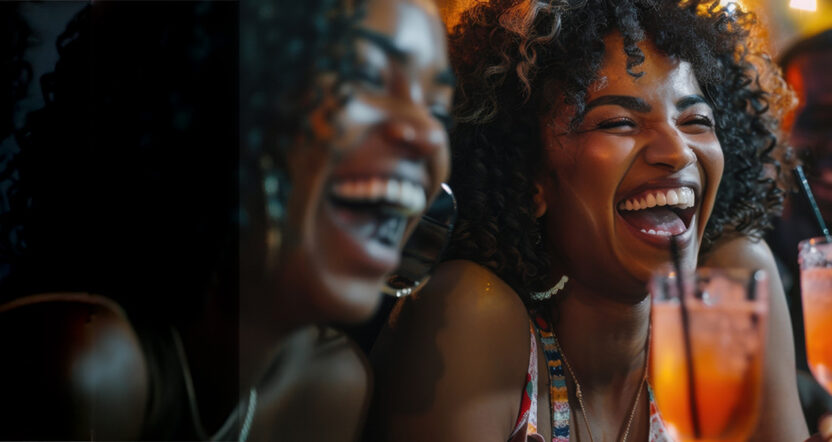
Let’s toast to the marvelous world of no-added sugar mocktails! Once upon a time, the phrase “no alcohol, please” might have earned one a sympathetic pat on the back at a party. But today? It’s the start of an exciting journey into the realm of vibrant, flavorful, and oh-so-fancy beverages that everyone can enjoy without the guilt, hang-over or diabesity that added sugar can bring.
As the popularity of mocktails skyrockets, as formulators, we find ourselves in a sparkling renaissance of creativity and flavor. Gone are the days of formulating bland soda or awkwardly sweet juice concoctions stuffed into the hands of non-drinking consumers. More and more, bars and restaurants are whipping up everything from zesty citrus spritzers to aromatic herbal infusions, each more Instagram-worthy than the last. It’s a colorful celebration in a glass, and everyone is invited to join the fun.
Amidst this mocktail magic, an exciting opportunity is bubbling away: the rise of clean label formulations for mocktails in a ready to drink format. Consumers are becoming more conscious about what they put into their bodies. They want real ingredients—no artificial flavors, no mysterious additives, wholesome goodness and above all no-added sugar. What better way to quench the thirst of a massively growing consumer base than with RTD mocktails made from clean, natural ingredients?
Imagine consumers sipping on a refreshing drink crafted with muddled herbs, organic fruit juices or flavors, and a splash of sparkling water. The idea of “clean label” is all about transparency, and consumers will love the chance to know exactly what’s in their drinks. It’s like a breath of fresh air in the beverage aisle.
Entrepreneurs and Beverage Formulators
This is a golden opportunity. The better for you RTD mocktail market is expanding, and with it comes the potential to cater to a growing consumer base that craves both flavor and health. It’s about crafting beverages that not only taste good but also make you feel good—inside and out. The taste good might mean authentic which begs the question, how do we emulate that alcohol sensation in the mouth and throat?
Let’s first peel away the layers of what exactly is the mouth and throat sensation, more commonly known as the burn. Alcohol is ethanol and ethanol is a volatile compound that generally irritates the sensitive mucous membranes lining the mouth and throat. This irritation can trigger a burning sensation not unlike hot peppers with capsicum.
Creating a low sugar nonalcoholic ready-to-drink (RTD) cocktail that emulates the burn of alcohol involves careful selection of ingredients and flavor profiles. Here are some approaches to achieve that sensation in a bottled format:
Flavor Base
Working with a reputable flavor company offers numerous benefits that can significantly enhance the development and success of your non-alcohol no added sugar ready to drink beverage formulation. Here are some key advantages:
- Expertise and Innovation
- Industry Knowledge: Established flavor companies have extensive experience and a deep understanding of flavor trends, consumer preferences, and market demands. Their expertise can guide you in creating products that resonate with your target audience.
- Innovative Solutions: Reputable firms often invest in research and development, enabling them to offer innovative flavor solutions that can set your products apart from competitors.
- Natural and Clean Label Options: Many well-regarded flavor suppliers offer natural, clean label options that align with current consumer trends toward healthier, transparent ingredients.
- Flavor Matching: They can assist in matching specific flavor profiles, ensuring that your products achieve the desired taste and aroma.
- Sensory Evaluation: Many flavor companies offer sensory evaluation services, helping you assess and refine your product’s flavor through consumer testing.
- Non-Alcoholic Spirits: If flavors are beyond your expertise consider using a base of non-alcoholic spirits that are designed to mimic the flavors of gin, whiskey, rum, or tequila. Brands like Seedlip and Ritual offer various options.
- Diversity: Different brands offer various flavor profiles, from herbal and citrusy to smoky and earthy. Experimenting with multiple brands can help you find the best match for your desired flavor profile.
- Layering Flavors: Consider blending different non-alcoholic spirits to achieve a more complex flavor profile. For instance, mixing a gin alternative with a whiskey alternative can create a unique depth.
- Bitters: Incorporate non-alcoholic bitters to add complexity and a slight bitterness. This can help replicate the mouthfeel associated with alcohol.
Spicy Ingredients
- Ginger Extract or Syrup: Use concentrated ginger syrup or extract to provide a spicy, warming sensation. Ginger beer can also be an excellent mixer.
- Cayenne Pepper or Chili Extract: A small amount can create a noticeable warmth and a bit of heat. Ensure it’s well-balanced to avoid overpowering the other flavors.
- Chili Varieties: Experiment with different types of chili extracts or powders (like smoked paprika or chipotle) for varying levels of heat and flavor complexity.
Acidulants
- Acids: Acidifying works as a flavor conductor and can give your formular a nice pop while bringing flavors forward.
- Acid Adjusters: Incorporate acid-adjusting agents like citric acid, malic acid or tartaric acid to modify the acidity level without adding more liquid.
- Vinegar: Use fruit-based vinegars (like apple cider or balsamic) or shrubs to add acidity and complexity. They can create a tangy bite that mimics the sharpness of alcohol.
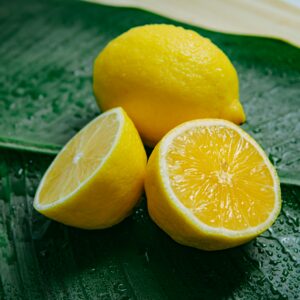
- Citrus Juices: Incorporate fresh juices (lemon, lime, grapefruit) to enhance acidity and freshness while contributing to the overall flavor profile.
- Citrus Variability: Beyond just lemon and lime, consider using juices from more exotic fruits like yuzu or blood orange for added complexity.
Herbal and Botanical Elements
- Herbal Infusions: Include herbs like mint, basil, or rosemary, either as extracts or in dried form, to add layers of flavor.
- Infused Ingredients: formulate your own ginger-infused syrup by steeping fresh ginger in allulose infused water. This can provide a fresher flavor than pre-made syrups.
- Botanicals: Utilize natural botanical extracts (like juniper for gin-like flavors) to create depth and complexity.
Sweetness and Balance
- Natural Sweeteners: Consider using agave syrup, allulose, monk fruit, or stevia for sweetness without overwhelming the drink. Balance is key to replicating the smoothness often found in alcoholic beverages.
- Complex Sweeteners: Using a blend of sweeteners can help achieve a rounder flavor. For instance, combining agave with a touch of molasses can introduce a richer sweetness.
- Flavor Pairing: Combine sweet and sour elements to create a balanced profile that can enhance the overall experience.
- Flavor Balancing: Use taste-testing to ensure that the cocktail has a balanced profile. You can balance sweetness with bitterness, acidity, and spiciness for a well-rounded taste.
Carbonation
- Sparkling Water or Tonic Water: Use carbonated mixers to provide effervescence. Tonic water adds a mild bitterness that enhances the drink.
- Natural Carbonation: If you have access to a carbonation system, consider carbonating the mixture yourself to control the level of fizziness and avoid over-carbonation in the bottle.
- Flavor-Infused Carbonated Water: Use flavored sparkling water (like lemon or cucumber) as a mixer to enhance the overall flavor profile.
Mouthfeel Enhancers
- Vegetable Glycerin: A small amount of food-grade glycerin can enhance mouthfeel and provide a more viscous texture, reminiscent of the body of alcoholic drinks.
- Fibers: Soluble tapioca fiber can be used in small amounts (up to 3%) amounts to improve the texture and give a more viscous mouthfeel.
Example Ready-to-Drink Cocktail Formula
Here’s a basic formula for a nonalcoholic RTD cocktail that incorporates the elements mentioned:
Spicy Citrus Mocktail Formula
**Ingredients**
- 30% Non-Alcoholic Spirit Base (e.g., gin alternative)
- 20% Ginger Syrup
- 10% Apple Cider Vinegar or Shrub
- 20% Fresh Citrus Juice (lime or lemon)
- 10% Tonic Water or Sparkling Water
- Pinch of Cayenne Pepper or Chili Extract
- Natural Sweetener to taste (agave or honey)
- Optional: Herbal extract (like mint or basil) for infusion
**Instructions**
- Combine all ingredients in a mixing vessel.
- Adjust sweetness and acidity to taste.
- Carbonate the mixture or add tonic/sparkling water just before bottling.
- Bottle in a sealed container, ensuring proper mixing for consistency.
Herbal Spicy Mocktail
**Ingredients**
- 25% Non-Alcoholic Gin Alternative
- 20% Ginger Syrup (homemade)
- 15% Fresh Lime Juice
- 15% Hibiscus Tea (brewed and cooled)
- 20% Tonic Water
- Pinch of Smoked Paprika
- Natural Sweetener (to taste)
**Instructions**
- Combine the non-alcoholic gin alternative, ginger syrup, lime juice, and hibiscus tea in a mixing vessel.
- Adjust sweetness with a natural sweetener.
- Add a pinch of smoked paprika and mix well.
- Pour into bottles, leaving some room for carbonation.
- Top with tonic water just before sealing.
- Label with serving suggestions (e.g., serve over ice with lime and mint garnish).
By applying these detailed ideas and techniques, you can create a nonalcoholic RTD cocktail that not only mimics the burn of alcoholic drinks but also provides a unique and enjoyable tasting experience for consumers.