
Why Young Consumers Are Obsessed with Naturally Fermented Bread and What It Means for Bakers and Food Formulators
By Thom King, CFS, Founder, Chairman, Chief Innovation Officer Icon Foods
For years, bread was treated like the nutritional villain lurking in the pantry wearing a ski mask and carrying a glycemic baseball bat. Then sourdough walked back into the room like a 1970s rock band announcing a surprise reunion tour. And Gen Z absolutely lost their minds over it. Not because sourdough is trendy. Not because it photographs well on TikTok. Not because everyone suddenly wanted to become frontier homesteaders named Willow baking bread beside a candle. The reason is deeper. Gen Z and Alphas see sourdough as:
- Authentic
- Fermented
- minimally processed
- craft-made
- microbiome-friendly
- emotionally comforting
- nutritionally smarter
In many ways, sourdough checks nearly every psychological and nutritional box this generation cares about. And the bakery industry is only beginning to understand how large this shift may become.
Gen Z and Alpha Want “Real” Food Again
Gen Z and A consumers grew up during an era dominated by:
- hyper-processed foods, think Lunchables
- synthetic ingredients
- artificial sweeteners
- influencer wellness culture
- rising metabolic disease awareness
- anxiety surrounding food systems
As a result, they became highly skeptical consumers. This generation reads ingredient statements. They investigate sourcing. They care about:
- fermentation
- gut health
- microbiome science
- sustainability
- glycemic management
- clean-label formulation
- ingredient transparency
Sourdough lands directly in the center of that cultural bullseye. Unlike highly processed commercial breads, sourdough communicates:
- time
- craftsmanship
- microbial activity
- simplicity
- authenticity
To Gen Z, sourdough feels alive and ironically, it is.
TikTok Didn’t Create the Trend: It Accelerated an Existing Consumer Shift
The pandemic-era sourdough explosion helped propel fermentation culture into mainstream consumer awareness. Suddenly millions of consumers were:
- feeding starters
- discussing hydration percentages
- debating proofing temperatures
- talking about wild yeast strains like craft beer nerds discussing hops
Social media transformed sourdough from a bakery product into a cultural identity marker. TikTok, Instagram, Reddit, and YouTube created an entire ecosystem around:
- artisanal fermentation
- long fermentation methods
- “digestive wellness”
- lower glycemic eating
- homemade food craftsmanship
- authenticity
But the underlying drivers were already brewing consumers were searching for foods perceived as:
- less artificial
- less industrial
- more digestible
- more nutrient dense
- microbiome supportive
Sourdough simply became the poster child.
Gut Health Became the Gateway Drug
Gen Z and A may be the first generations to casually discuss:
- microbiome diversity
- short-chain fatty acids
- probiotics
- prebiotics
- gut-brain signaling
- blood sugar management
…while simultaneously ordering matcha oat milk lattes and doom-scrolling at 1:00 a.m. That is the strange and beautiful paradox of modern nutrition culture. Research increasingly supports that sourdough fermentation may:
- improve digestibility
- alter starch digestion kinetics
- reduce certain FODMAP components
- influence glycemic response
- improve mineral bioavailability
- generate beneficial fermentation metabolites
These effects are highly formulation-dependent, but the perception of digestive friendliness is already deeply embedded in consumer psychology. For Gen Z and A consumers, sourdough is not just bread. It is “bread with a purpose.”
Fermentation Is Becoming a Premium Signal
Today’s younger consumers increasingly associate fermentation with:
- wellness
- sophistication
- craft production
- digestive support
- culinary intelligence
The same phenomenon transformed:
- kombucha
- kimchi
- kefir
- yogurt
- tepache
- miso
- natto
- fermented hot sauces
Sourdough belongs to this broader “living foods” movement. That matters because premium positioning dramatically affects:
- pricing tolerance
- purchasing frequency
- brand loyalty
- ingredient expectations
Consumers will pay more for products perceived as:
- traditionally crafted
- naturally fermented
- minimally processed
- functionally beneficial
This is especially true among younger urban consumers. In other words, sourdough is no longer competing against bread. It is competing against wellness products.
The Texture Experience Matters More Than Ever
Younger consumers crave sensory contrast. Sourdough delivers:
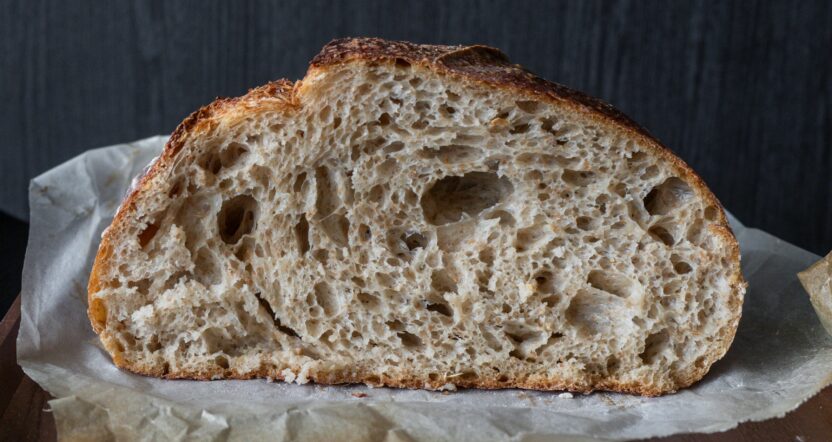
- crackling crust
- open crumb
- chew
- aroma complexity
- organic acid tang
- fermentation-driven flavor depth
Modern commercial breads often suffer from sensory uniformity, soft, sweet, shelf-stable foam pillows with the emotional charisma of drywall. Sourdough feels human. That matters more than most formulators realize. The sensory experience creates perceived nutritional superiority even before the first bite is swallowed. And honestly? The consumer is not entirely off-base.
Clean Label Is Fueling the Movement
Sourdough aligns naturally with clean-label demands because:
- fewer additives are often required
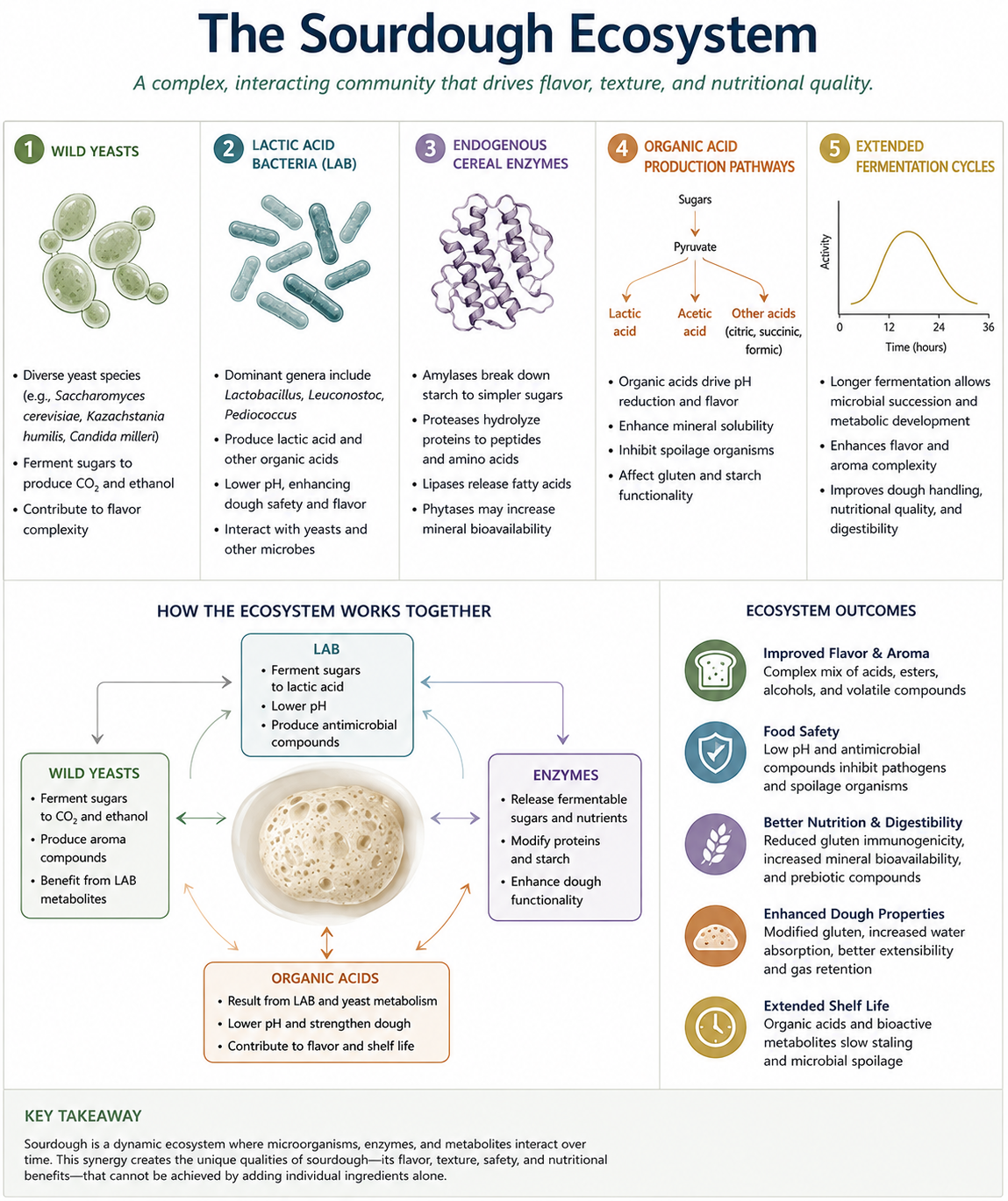
- fermentation itself contributes preservation effects
- acids improve microbial stability
- flavor complexity reduces flavor-system dependency
Consumers increasingly reject ingredient statements that resemble failed chemistry quizzes. Long fermentation becomes a natural processing aid:
- flavor development
- shelf-life enhancement
- texture modification
- acidity control
- digestibility enhancement
without requiring extensive additive systems. This is a huge strategic opportunity for formulators.
Where Soluble Fibers Enter the Conversation
The next evolution of sourdough is not simply “artisan.” it is, functional artisan bakery. That means:
- prebiotic fibers
- microbiome positioning
- satiety support – think GLP-1 and AOM
- blood sugar management
- digestive wellness
- synbiotic concepts
- fermentation-enhanced nutrition
This is where the industry starts moving from nostalgia into real nutritional engineering.
Where Icon Foods Fits
Icon Foods sits directly at the intersection of clean label sugar reduction and functional bakery innovation support. And that positioning becomes incredibly powerful as younger consumers demand more from bakery products.
PreBiotica™ Fibers and Sourdough
Icon’s PreBiotica™ platform includes:
- chicory root inulin
- agave inulin
- Jerusalem artichoke inulin
- FOS systems
These ingredients support:
- moisture retention
- crumb softness
- microbiome positioning
- satiety
- prebiotic functionality
- digestive wellness messaging
Typical Usage Levels
| Application | Usage Level |
| Artisan sourdough | 2% to 5% |
| Functional sourdough | 4% to 10% |
| High-fiber breads | 8% to 15% |
When paired with fermentation systems, these fibers become metabolically interesting because they contribute fermentable substrates both, during dough fermentation, and later within the gut microbiome That is the beginning of synbiotic bakery. And the market is absolutely heading there.
Sugar Reduction Is Coming to Artisan Bakery
Gen Z and A consumers are increasingly wary of excessive sugar, but they still expect indulgence. That creates formulation tension. Traditional bakery systems rely on sugar for:
- browning
- tenderness
- fermentation dynamics
- moisture retention
- flavor balance
Removing sugar recklessly can turn beautiful sourdough into a sad hockey puck with abandonment issues. This is where Icon’s systems become strategically valuable:
- KetoseSweet™ allulose
- TagaLite™ tagatose
- Thaumatiq™ sweet protein modulation
These systems allow bakers to reduce sugar while preserving:
- crust development
- fermentation performance
- sweetness balance
- softness
- flavor integrity
without sacrificing clean-label positioning.
The Future of Bakery Belongs to Fermentation
Gen Z and Alpha are not chasing sourdough because it is old-fashioned. They are chasing it because it feels biologically relevant. That distinction matters. The next generation of bakery products will increasingly revolve around:
- fermentation
- microbiome science
- digestive wellness
- blood sugar awareness
- satiety
- metabolic health
- functional fibers
- clean-label authenticity
Sourdough just happens to be the first major bakery category to fully ride that wave. The bakers and formulators who understand this early will not simply sell bread. They will sell:
- functionality
- craftsmanship
- metabolic positioning
- microbiome support
- and trust.
That is a much bigger market than bread alone.
References
- De Vuyst L, et al. The Functional Role of Sourdough Fermentation in Bread Quality and Human Health. Food Microbiology.
- Gobbetti M, et al. Sourdough Fermentation as a Tool for Improved Nutritional and Functional Properties of Bread. Trends in Food Science & Technology.
- Arzani A, Ashraf M. Whole grains and health-promoting compounds. Food Science & Nutrition.
- Rizzello CG, et al. Sourdough Fermentation and Nutritional Improvements in Bakery Products. Applied and Environmental Microbiology.
- Market research reports on artisan bakery and fermented foods trends, 2024–2026.