
by Thom King CFS – Founder, Chief Innovation Officer, Food Scientist, Icon Foods
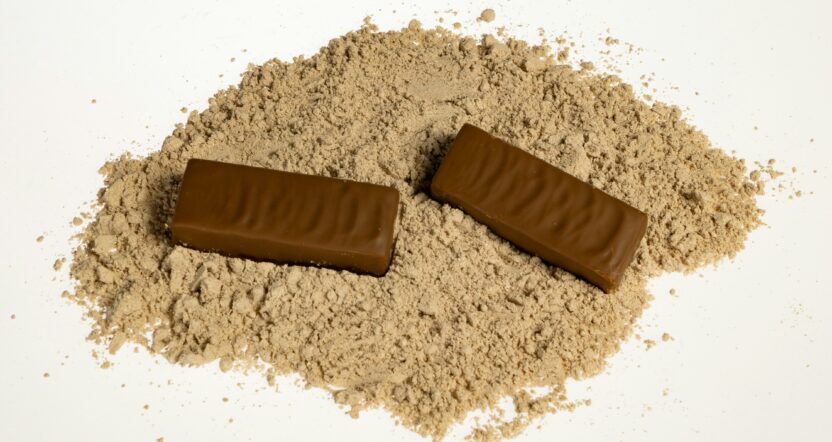
Walk down the protein bar aisle and something becomes obvious pretty quickly. There are a lot of bars. There are considerably fewer great bars. We have bars with 20 grams of protein that chew like roofing material. Bars with beautiful nutrition panels that somehow taste like the nutrition panel. Bars that begin life soft and delicious and, six months later, could probably be used to shim a wobbly table. That is not a protein problem. It is a formulation architecture problem.
And right now, I think protein bars remain one of the most interesting playgrounds in food formulation because we have a new generation of ingredients that lets us attack texture, sweetness, fiber, water activity, browning and eating quality simultaneously.
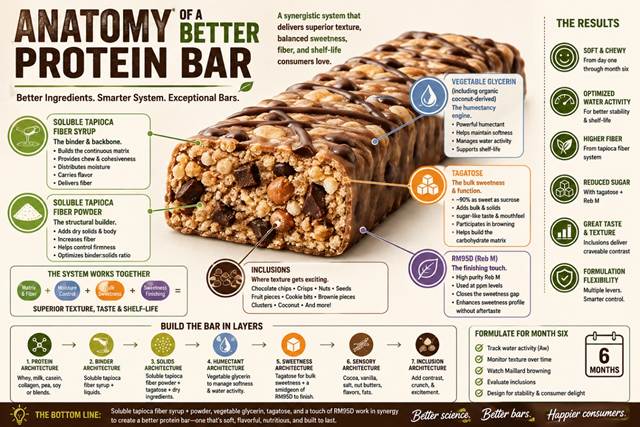
My starting lineup? Soluble tapioca fiber syrup. Soluble tapioca fiber powder. Vegetable glycerin, including organic coconut-derived options where appropriate. Tagatose. And a very small amount of high-purity Reb M, such as RM95D, to finish the sweetness system.
Then, because nobody wants to eat a beige rectangle for the rest of their natural life: inclusions. Now we have a protein bar worth talking about.
The Protein Bar Problem Nobody Puts on the Front of the Wrapper
Protein bars are deceptively complicated. From the consumer’s perspective, the assignment seems simple, protein + sweetness + flavor + chewy stuff = bar. From the formulator’s perspective, it looks more like this, protein + water + humectants + binders + fibers + fats + sweeteners + particulates + water activity + protein hydration + glass transition + flavor interactions + shelf-life = please don’t become a brick.
Proteins are functional little beasts. Depending on the protein system, concentration, moisture, processing conditions and storage environment, protein-rich bars can progressively firm during shelf life. Moisture redistribution, protein-protein interactions and changes within the carbohydrate phase can all contribute.
That beautiful soft bar coming off the line is therefore only halftime. The real question is, what does it eat like six months later? That is where formulation gets interesting.
Enter Soluble Tapioca Fiber
Soluble tapioca fiber is particularly interesting in bars because it can perform multiple jobs without marching onto the ingredient statement wearing a clown suit. It can contribute:
- Fiber
- Bulk
- Binding
- Solids
- Body
- Texture management
- Moisture distribution
- Reduced reliance on conventional sugars
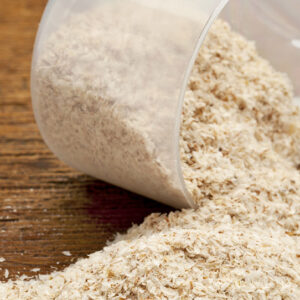
And, importantly, it is available in both syrup and powder formats. That gives formulators something incredibly valuable, levers. The syrup and powder are not merely two physical forms of the same idea. They can be used strategically to construct the carbohydrate phase of the bar. Think offensive line rather than quarterback. Nobody buys the ticket to watch the offensive line, but without it the entire play collapses.
Soluble Tapioca Fiber Syrup: Build the Matrix
A protein bar needs something to hold the neighborhood together. Traditionally, syrups have been extremely effective at doing this because they provide continuous-phase material capable of binding proteins, particulates and inclusions into a cohesive mass. Remove conventional glucose or corn syrup and suddenly the formulator has to replace considerably more than sweetness. You have removed structure. Soluble tapioca fiber syrup can help rebuild that structure. It can provide the fluid phase necessary to:
- Bind dry ingredients
- Improve cohesiveness
- Contribute chew
- Distribute moisture
- Carry flavors
- Facilitate forming and extrusion
- Deliver fiber
That last point is key. Instead of filling the syrup phase with conventional sugars and then trying to bolt nutritional benefits onto the finished formula, we can make the syrup system itself part of the nutritional architecture. That is much smarter formulation.
Then Bring in Soluble Tapioca Fiber Powder
Here is where things get more interesting. Using both soluble tapioca fiber syrup and soluble tapioca fiber powder gives the formulator another dimension of control. The syrup helps establish the continuous binder phase.
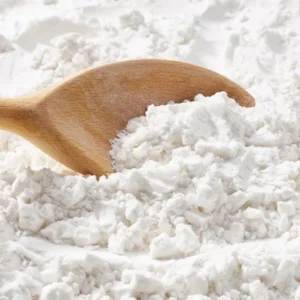
The powder contributes dry solids and fiber while allowing us to manipulate the ratio between liquid and solid components. That means we can begin tuning, binder : solids : protein : moisture rather than simply asking, how much syrup do we need to make this thing stick together? That distinction is huge.
The powder format can help build body without adding the same amount of free liquid associated with a syrup. It can also help increase fiber content and replace some conventional carbohydrate solids. Now we have two members of the same family playing different positions. Same jersey. Different job.
Glycerin: The Quiet Texture Mechanic
Now let’s invite one of my favorite formulation workhorses into the room. Vegetable glycerin. For formulations targeting particular sourcing or positioning requirements, organic coconut-derived vegetable glycerin may also fit beautifully. Glycerin is not glamorous. Nobody is standing in the protein bar aisle screaming, THANK GOD THEY USED GLYCERIN! But they notice what it does. Glycerin is a powerful humectant. Its ability to interact strongly with water can help maintain softness and manage water activity, which is enormously valuable in protein-dense systems.
This is an important distinction, moisture content and water activity are not the same thing. A bar can contain water without all of that water being equally available for microbial growth or participating identically in physical changes. Humectants help us manage that relationship.
In practical terms, glycerin can help create a bar that remains softer without simply dumping more water into the formula. And dumping water into a protein bar is rarely a sophisticated shelf-life strategy. That’s not formulation. That’s kicking the can down the road and hoping microbiology doesn’t catch it.
Now Let’s Talk Tagatose
This is where the formulation starts getting genuinely fun. Tagatose is a rare sugar with approximately 90% of the sweetness of sucrose, depending on application and sensory conditions. But thinking about tagatose exclusively as a sweetener misses half the movie.
Tagatose brings bulk. It contributes solids. It participates in browning chemistry. It has sugar-like sensory characteristics. It can contribute to the physical carbohydrate matrix. And unlike high-intensity sweeteners, tagatose actually occupies space. That matters tremendously in bars.
When sucrose, glucose syrup or other conventional carbohydrates are removed, sweetness is only one of the things that disappears. You also lose mass. A high-intensity sweetener can replace sweetness beautifully. It cannot replace kilograms. Tagatose helps bridge that gap.
Tagatose + Soluble Tapioca Fiber Is Where Things Get Interesting
Now we can start designing the carbohydrate system rather than merely replacing sugar. Imagine the architecture. Soluble tapioca fiber syrup. Binder + fiber + moisture management + chew. Soluble tapioca fiber powder. Dry solids + fiber + body + structural adjustment. Tagatose. Bulk sweetness + solids + sugar-like sensory characteristics + browning potential. Vegetable glycerin. Humectancy + softness + water-activity management Suddenly, each ingredient has a job. Nobody is just standing around collecting a paycheck. That is exactly what I want from a formulation.
Then Comes the Smidgeon
Tagatose gets us surprisingly close to sucrose sweetness. But sometimes close isn’t where we want to finish. This is where I like a tiny amount of high-purity Reb M, such as RM95D. And I mean tiny. We are not asking Reb M to carry the bar. That would be like asking the kicker to play linebacker. Its job is simply to close the sweetness gap. The fundamental sweetness architecture comes from tagatose. Reb M provides the final lift. That gives us something much more interesting than simply replacing all of the sugar with a high-intensity sweetener. We get, bulk sweetness + finishing sweetness.
The sensory result can be considerably more sucrose-like because the rare sugar is providing much of the sweetness mass while Reb M handles the remaining intensity.
And Then There Are Inclusions
Did somebody say inclusions? Because now we can stop making protein bars look like something issued during a wilderness survival course. Inclusions are where nutritional engineering finally gets permission to have some personality. Think:
- Flavor bits
- No-added-sugar chocolate chips
- Chocolate chunks
- Protein crisps
- Nuts & seeds
- Coconut
- Cookie pieces
- Brownie pieces
- Fruit pieces
- Crunchy clusters
- Layered textures
This is where the eating experience changes completely. A homogeneous protein matrix forces the consumer to experience essentially the same texture from bite one through bite twelve. That’s sensory Groundhog Day. Inclusions introduce contrast. Soft + crunchy. Chewy + crisp. Creamy + particulate. Chocolate + salt.
Those contrasts are key because consumers don’t experience foods as nutrition panels. They experience them as sequences of sensory events. A really good protein bar should have a plot.
Build the Bar in Layers
Instead of starting with, “We need a 20-gram protein bar.” Try starting with, “What should this thing feel like when somebody bites it?” Then reverse-engineer the formula. For example:
Layer 1: Protein architecture
Whey, milk, casein, collagen, soy, pea or another protein system depending on the nutritional and label objective. Protein selection affects much more than protein content. It affects hydration, firmness, flavor, processing and shelf-life.
Layer 2: Binder architecture
Build the continuous phase with soluble tapioca fiber syrup and the appropriate liquid ingredients.
Layer 3: Solids architecture
Use soluble tapioca fiber powder, tagatose and other dry components to control solids and texture.
Layer 4: Humectant architecture
Use vegetable glycerin strategically to help manage softness and water activity.
Layer 5: Sweetness architecture
Let tagatose carry the bulk sweetness and use a very small amount of Reb M to bring the sweetness intensity to target.
Layer 6: Sensory architecture
Salt. Vanilla. Cocoa. Natural flavors. Fats. Nut butters. And whatever else the application needs.
Layer 7: Inclusion architecture
Now give the consumer something worth biting into. Chocolate chips. Crisps. Bits. Nuts. Clusters. Chunks. Texture. Drama.
Don’t Formulate the Prototype. Formulate Month Six.
This might be the most important point in this entire paper. Day-one texture is not the target. Shelf-life texture is the target. Protein bars need to be evaluated over time. Track:
- Water activity
- Moisture
- Hardness
- Cohesiveness
- Chewiness
- Flavor
- Sweetness
- Browning
- Oil migration
- Inclusion integrity
And don’t just run ambient samples.
Accelerated stability work can provide extremely useful directional information during development, although it should not automatically be treated as a perfect substitute for real-time shelf-life validation.
The winning formulation is not necessarily the softest bar coming off the pilot line. It is the formulation whose texture changes the least objectionably over its intended shelf life. That is a very different target.
Watch the Tagatose Browning
There is another fascinating wrinkle here. Tagatose is a reducing sugar. Proteins contain amino groups. Put reducing sugars and proteins together under the right conditions and our old friend the Maillard reaction walks through the door.
Sometimes that’s fantastic. Browned flavors can contribute caramel, toasted, malted and baked notes. But excessive Maillard chemistry can create unwanted darkening, flavor changes and nutritional consequences. Temperature, moisture, water activity, pH, protein type and storage conditions all influence the reaction. So tagatose gives the formulator another lever, but it needs to be understood. This becomes particularly important if the binder is heated before forming.
Time and temperature matter.
Don’t cook the protein system unnecessarily. Where possible, prepare the binder phase, manage its temperature, and minimize unnecessary thermal exposure after proteins enter the system. The goal is controlled chemistry. Not culinary roulette.
Water Activity Is Your Dashboard
If I were developing this system, I would have the water activity meter sitting close enough to qualify as a member of the R&D team. Because every move affects something else. Increase glycerin? Check Aw. Change the syrup-to-powder ratio? Check Aw. Increase tagatose? Check Aw. Switch protein systems? Check Aw. Add inclusions? Check Aw. Change process temperature? Check Aw. You get the idea.
Texture, microbial stability and shelf-life cannot be managed intelligently by formulation percentages alone.
Measure the system.
Food science becomes considerably easier when we stop asking ingredients what we think they’re doing and start measuring what they’re actually doing.
A Starting Formulation Architecture
I wouldn’t treat this as a finished formula. I would treat it as a development platform.
| Component | Starting Range |
| Protein system | 25–35% |
| Soluble tapioca fiber syrup | 15–25% |
| Soluble tapioca fiber powder | 5–15% |
| Tagatose | 5–12% |
| Vegetable glycerin | 2–6% |
| Fat / nut butter system | 5–12% |
| Inclusions | 5–15% |
| Flavor / cocoa / salt | As required |
| RM95D | ppm-level, sensory optimized |
| Water | Process dependent |
Then start moving the knobs. More chew? Change the binder-to-solids relationship. Too firm during storage? Look at protein selection, glycerin, moisture distribution and carbohydrate architecture. Not sweet enough? Move tagatose first, then fine-tune with Reb M. Too much lingering sweetness? Back down the high-intensity sweetener before dismantling the entire formulation. Aw wrong? Fix the system rather than blindly adding or removing water. That’s formulation.
Where The Real Opportunity Lies
The protein bar aisle doesn’t need another bar with a lightning bolt on the wrapper. It needs better food. Consumers increasingly expect protein, fiber, reduced sugar, recognizable ingredients and an eating experience that doesn’t require jaw exercises. That creates an enormous opportunity for formulators.
Soluble tapioca fiber syrup and powder give us a flexible fiber and carbohydrate platform. Vegetable glycerin gives us another lever for moisture and texture management. Tagatose brings bulk sweetness and sugar-like functionality. A touch of Reb M can close the sweetness gap without forcing the high-intensity sweetener to do all the heavy lifting.
And inclusions turn the nutritional delivery system into something consumers might actually look forward to eating. Put those pieces together correctly and we’re not merely making a lower-sugar protein bar.
We’re engineering texture, sweetness, nutrition and shelf-life as one interconnected system. And that is where this category gets exciting. Because the protein bar market may look crowded from the outside. From a formulator’s bench? It’s wide open. Build something fabulous.